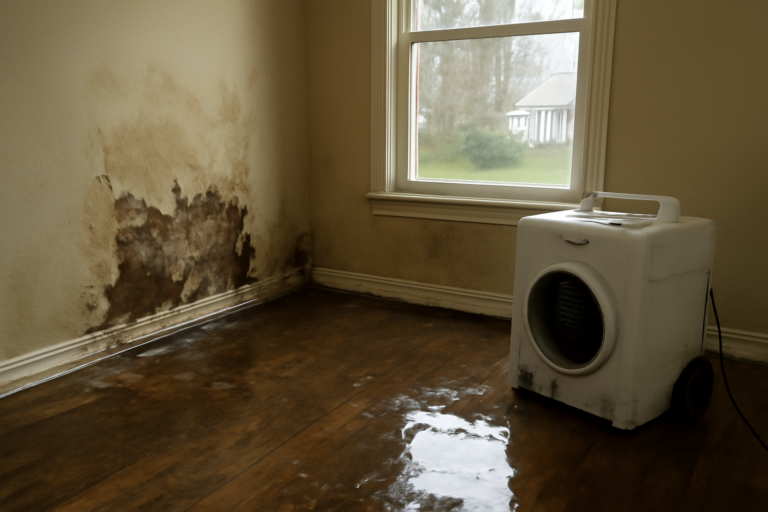
Subfloor Water Extraction in Princeton, FL
Trusted by 10,000+ Homeowners Across the USA
Princeton's Flood Season: Protect Your Home from Subfloor Water Damage
During Princeton's peak monsoon season, heavy rainfall can turn your basement into a mini-swamp. And when that happens, the water seeps into your subfloor, causing costly damage and potential health issues. You're probably wondering how to prevent this from happening in the first place, and what to do if it does. Our team is here to help. With years of experience in subfloor water extraction, we'll walk you through the process and provide you with the tools to prevent future flooding.
But don't just take our word for it. With over 165 five-star reviews from satisfied customers, you can trust our team to get the job done right. Our technicians are IICRC-certified and dedicated to providing top-notch service every time.
- Quick Response Times: We'll be at your doorstep within 60 minutes of your call to start the extraction process.
- Safe and Effective Equipment: Our team uses state-of-the-art equipment to safely extract water and dry your subfloor without causing further damage.
- Minimized Disruption: We work efficiently to reduce downtime, so you can get back to your daily routine as soon as possible.
How Our Subfloor Water Extraction Process Works
At our company, we understand the importance of a proper extraction process. When water seeps into your subfloor, it's not just a matter of using a wet vacuum and calling it a day. Our team follows a step-by-step process to ensure that every inch of water is removed and your subfloor is dried and restored to its original condition. We'll explain each step below:
Step 1: Initial Assessment and Water Removal
Our teams assess the damage and identify the source of the water. We then use our equipment to remove as much water as possible, including any standing water, water-saturated materials, and debris. This step is crucial in preventing further damage and reducing the risk of mold growth.
Step 2: Subfloor Drying and Dehumidification
Once the initial water removal is complete, our team sets up industrial-grade drying equipment to dry your subfloor. This includes high-velocity air movers and dehumidifiers that work together to remove excess moisture and create a safe environment for drying.
Step 3: Sanitizing and Disinfecting
After the subfloor is dry, our team sanitizes and disinfects the area to prevent the growth of mold and mildew. This not only helps prevent future damage but also ensures a healthy environment for you and your family.
Step 4: Final Inspection and Restoration
Once the sanitizing and disinfecting process is complete, our team conducts a final inspection to ensure that your subfloor is dry and free of any remaining moisture. If necessary, we'll make any necessary repairs to your subfloor or surrounding areas.
Don't wait until it's too late. Call our team today to schedule an appointment and take the first step towards preventing subfloor water damage. Our team is available 24/7 to provide immediate help. Act quickly to avoid costly repairs and potential health hazards.

Warning Signs You Need Subfloor Water Extraction
Don't ignore these warning signs, which can lead to costly repairs and potential health risks. Catching them early can save you money and prevent bigger problems:
Musty Odors That Won't Go Away
Unpleasant smells in your basement or crawlspace can show water damage or high humidity levels. If the odor persists even after cleaning, it's likely due to mold or mildew growth.
Water Stains or Warping on Your Subfloor
Visible water stains or warping on your subfloor are clear signs of water damage. These stains can spread quickly, causing further damage to your subfloor and surrounding areas.
Peeling Paint or Warped Trim
Peeling paint or warped trim around your windows or doors can show water damage or high humidity levels. These signs can be a symptom of a larger issue, such as a leaky pipe or condensation buildup.
Unusual Sounds or Spongy Flooring
Unusual sounds or spongy flooring can show water damage or structural issues. If you notice these signs, it's essential to address the problem quickly to prevent further damage.
Visible Puddles or Standing Water
Visible puddles or standing water in your basement or crawlspace are clear signs of water damage. Don't ignore these signs, as they can lead to costly repairs and potential health risks.
Subfloor Water Extraction vs. DIY: When to Call a Professional
| Situation | DIY? | Call a Pro? | Why |
|---|---|---|---|
| Small water spill in the basement | Yes | No | You can use a wet vacuum to remove the water and dry the area quickly. |
| Water damage from a burst pipe in the crawlspace | No | Yes | This situation needs specialized equipment and expertise to prevent further damage and ensure your safety. |
| Musty odors in the basement that won't go away | No | Yes | This could be a sign of mold or mildew growth, which needs professional attention to prevent health risks. |
| Water stains on the subfloor | No | Yes | These stains can spread quickly, causing further damage to your subfloor and surrounding areas. |
Don't risk your health and safety by trying to fix subfloor water damage on your own. Call our team today to schedule an appointment and let our experts handle the job.
Subfloor Water Extraction Cost in Princeton, FL
The cost of subfloor water extraction in Princeton, FL, depends on several factors, including the severity of the damage, the size of the affected area, and local conditions. These estimates are based on our experience and should be used as a guide only. The actual cost may vary depending on an on-site assessment.
| Service | Typical Price Range | What Affects Cost |
|---|---|---|
| Subfloor Water Removal | $500 - $2,000 | The extent of the water damage and the amount of water removed. |
| Subfloor Drying and Dehumidification | $1,000 - $3,000 | The size of the affected area and the duration of the drying process. |
| Sanitizing and Disinfecting | $300 - $1,000 | The size of the affected area and the type of sanitizing solution used. |
| Final Inspection and Restoration | $500 - $1,500 | The extent of the damage and the necessary repairs. |
The final cost of subfloor water extraction will depend on the specifics of your situation. Our team will provide you with a detailed estimate after conducting an on-site assessment. We also offer free estimates to help you plan your budget.
Service Areas Near Princeton, FL
We serve the following areas: Alachua, Bronson, Chiefland, Cross City, Gainesville, Hawthorne, High Springs, Micanopy, Newberry, Waldo, and surrounding communities.
Common Questions About Subfloor Water Extraction
What is the average cost of subfloor water extraction in Princeton, FL?
The average cost of subfloor water extraction in Princeton, FL, ranges from $500 to $5,000, depending on the severity of the damage, the size of the affected area, and local conditions. Our team will provide you with a detailed estimate after conducting an on-site assessment.
How long does it take to extract water from a subfloor?
The extraction process can vary depending on the amount of water and the size of the affected area. Generally, it takes 3-5 days to complete the extraction process, but our team will work efficiently to reduce downtime.
Is subfloor water extraction covered by insurance?
Yes, subfloor water extraction is typically covered by insurance policies. But, the extent of the coverage depends on your policy and the circumstances surrounding the damage. Our team will work with you to ensure that you receive the compensation you deserve.
Can I prevent subfloor water damage?
Yes, you can prevent subfloor water damage by maintaining your home's plumbing system, inspecting your roof and gutters regularly, and addressing any signs of water damage quickly. Our team is happy to provide you with tips and advice on how to prevent subfloor water damage.
Check Our Other Relevant Services
Serving Princeton, FL And Nearby Areas